
How Many Units of Botox Do You Need for Forehead Wrinkles? Complete Guide (2026)
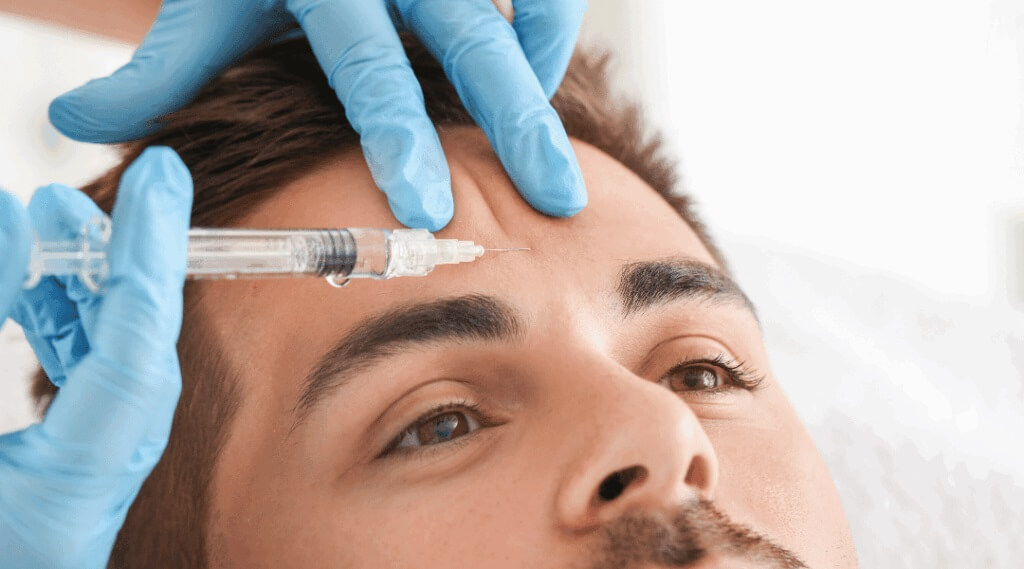
In today’s aesthetic world, forehead wrinkles are no longer something you need to live with. As the popularity of non-surgical treatments continues to rise, Botox has become one of the most sought-after solutions for smoothing fine lines and achieving a refreshed appearance. However, one of the most common questions clients ask at ViViDerma Cosmetic Clinic is: “How many Botox units do I need for my forehead?”
Let’s explore the answer in depth—because understanding your treatment is the first step toward confident results. This guide breaks down exactly how many units of Botox you need for forehead lines, 11 lines, glabella, men vs women, first‑timers, and combined treatments — with Toronto‑specific insights.
Understanding Botox: A Quick Overview
Botox is a neuromodulator made from botulinum toxin type A. When injected into targeted facial muscles, it temporarily relaxes their movement. As a result, this relaxation prevents wrinkles from forming or deepening, especially in expression-prone areas like the forehead, glabella (frown lines), and crow’s feet.
Unlike filler, which restores lost volume, Botox smooths dynamic lines—the ones that appear when you raise your eyebrows, frown, or squint.
How Many Units of Botox Are Typically Used for the Forehead?
When it comes to treating the forehead, there’s no one-size-fits-all approach. The number of Botox units needed varies depending on several factors, including muscle strength, age, gender, wrinkle depth, and your desired outcome.
General Unit Guidelines:
- Forehead (horizontal lines): 10–20 units
- Glabellar lines (the “11” lines between eyebrows): 15–25 units
- Forehead + 11s combined: 25–50 units
- Men typically need 20–30% more units
- First‑time patients often start at the lower end (8–14 units)
- Total for full forehead and frown area: 25–50 units
While some clients may only need minimal correction with 10–15 units, others with stronger facial muscles or more advanced wrinkles may benefit from a higher dosage.
At ViViDerma, our skilled injectors assess your anatomy and expression patterns during a one-on-one consultation to determine the exact dose for natural-looking, balanced results.
Botox Units Chart (Forehead, 11s, Glabella, Men, First‑Timers)
| Treatment Area | Typical Units | Range | Notes |
| Forehead (horizontal lines) | 10–20 | 8–24 | Must be balanced with glabella to avoid brow heaviness |
| 11 Lines (Glabella / Frown Lines) | 15–25 | 12–30 | Strongest facial muscles; requires higher dosing |
| Forehead + 11s Combined | 25–50 | 20–60 | Most common treatment combination |
| Men (Forehead) | 15–30 | 20–40 | Men have stronger frontalis muscles |
| First‑Time Botox Patients | 8–14 | – | Conservative dosing to avoid over‑freezing |
| Full Face Botox | 40–70 | 30–90 | Depends on areas treated |
Botox Units for Men (Forehead & 11s)
Men have:
- Stronger frontalis muscles
- Deeper wrinkles
- Higher muscle density
Typical male dosing:
- Forehead + 11s: 35–60 units
- 11s: 20–30 units
- Forehead + 11s: 35–60 units
Factors That Influence Botox Units for the Forehead
Although the forehead seems like a straightforward treatment area, several variables influence how much Botox you may need.
1. Muscle Strength & Size
Men, for example, tend to have larger, stronger facial muscles and often require more units than women to achieve similar results.
2. Wrinkle Severity
Deeper static lines (visible even when your face is at rest) may need higher units initially and could require maintenance sessions to achieve full softening.
3. Age & Skin Elasticity
As we age, skin loses elasticity, and repetitive movement creates more prominent lines. Therefore, more units might be recommended to relax the muscles effectively.
4. Desired Outcome
Some clients prefer a very smooth, “frozen” look, while others request a more subtle refresh. The number of units directly affects how dramatic or subtle the result will be.
Where Are the Injections Placed?
Botox for the forehead is strategically placed to smooth the area without affecting natural expression. A typical forehead treatment includes:
- Horizontal forehead lines: Injected across the frontalis muscle
- Glabellar lines (“11” lines): Injected into the corrugator and procerus muscles
It’s essential to balance both areas to avoid an unnatural look like the “Spock brow” or heavy eyebrows. That’s why our expert injectors at ViViDerma always consider facial symmetry, brow positioning, and muscle pull during every treatment.
How Long Does Botox Last in the Forehead?
Results typically begin to appear within 3 to 5 days, with full smoothing visible around 2 weeks. On average, Botox lasts 3 to 4 months, depending on your metabolism, lifestyle, and facial movement.
As a result, maintaining your refreshed appearance requires routine visits. With consistent treatments, you may even find you need fewer units over time as your muscles weaken slightly.
What to Expect During Your Botox Visit at ViViDerma
At ViViDerma Cosmetic Clinic in Toronto, we begin with a comprehensive consultation where your aesthetic goals and facial anatomy are reviewed in detail. We never rush or guess—your dosage is tailored specifically to your needs.
Each Botox appointment is quick, often completed in under 15 minutes, and involves minimal discomfort. Additionally, we provide aftercare instructions to help you achieve optimal results with minimal risk of side effects.
Frequently Asked Questions
Book Your Personalized Botox Consultation in Toronto
At ViViDerma Cosmetic Clinic, we take a science-meets-artistry approach to cosmetic injectables. Whether you’re exploring Botox for the first time or refining your existing routine, our experienced team ensures every treatment is safe, strategic, and suited to your unique anatomy.
Ready to smooth away forehead lines and elevate your glow?
Book your Botox consultation today at ViViDerma in Toronto. Visit www.vividerma.ca or call 416‑876‑5850 to reserve your appointment.