
What Is Morpheus8? Benefits, Results, Recovery & What to Expect
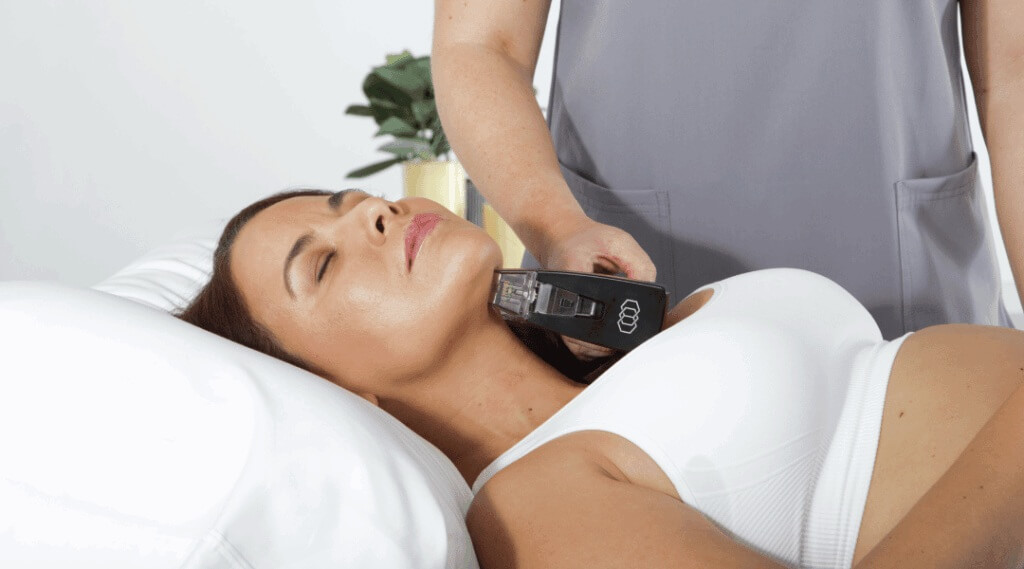
Morpheus8 is a radiofrequency microneedling treatment designed to improve skin texture, fine lines, acne scars and certain types of skin laxity. It combines controlled microneedling with radiofrequency (RF) energy delivered at selected depths within the skin.
Unlike traditional microneedling, which relies primarily on mechanical micro-injuries, Morpheus8 combines microneedling with thermal radiofrequency energy. The treatment is designed to stimulate a controlled healing response and support collagen remodeling.
Medically reviewed by Sahar Karimzadeh, RN, Founder, ViViDerma Cosmetic Clinic. Last reviewed September 19, 2026.
What Is Morpheus8?
Morpheus8 is a fractional radiofrequency microneedling technology. Tiny needles penetrate the skin to a selected depth while radiofrequency energy is delivered into the targeted tissue.
The controlled treatment is intended to stimulate tissue remodeling and collagen production. Radiofrequency microneedling has been studied for skin rejuvenation, wrinkles, acne scars and skin laxity, although individual results vary depending on treatment settings, treatment area and patient characteristics.
The depth and energy used during treatment can be adjusted according to the area being treated and the patient’s goals.
How Does Morpheus8 Work?
Morpheus8 combines two mechanisms:
- Microneedling: creates controlled microscopic channels in the skin.
- Radiofrequency energy: delivers controlled heat at selected depths to support tissue remodeling.
The resulting wound-healing response can stimulate collagen and other structural changes in the treated tissue. Research on radiofrequency microneedling has reported improvements in skin texture and rejuvenation, although the strength of evidence varies between treatment areas and study designs.
What Skin Concerns Can Morpheus8 Treat?
Morpheus8 may be considered for several cosmetic skin concerns, including:
- Fine lines and wrinkles
- Mild to moderate skin laxity
- Uneven skin texture
- Visible or enlarged pores
- Acne scars and certain types of textural scarring
- Crepey-looking skin
- Selected signs of photoaging
- Skin laxity around areas such as the jawline and lower face
The appropriate treatment depends on the specific skin concern. Different types of acne scars, for example, may require different approaches, and significant skin laxity may not be appropriately treated with RF microneedling alone.
Morpheus8 for the Face
Morpheus8 can be used on selected areas of the face to address skin texture, fine lines, acne scars and mild laxity.
Treatment may include areas such as the cheeks, jawline and lower face. Treatment around delicate areas requires appropriate settings and technique based on the patient’s anatomy and skin characteristics.
Morpheus8 for the Neck
Radiofrequency microneedling may also be used on the neck when appropriate.
Because the neck has different anatomy and skin characteristics from the face, treatment settings should be individualized. Your provider can determine whether Morpheus8 is appropriate for the concern you want to address.
Morpheus8 for Acne Scars
Radiofrequency microneedling can be used to improve the appearance and texture of certain acne scars. The treatment creates controlled micro-injuries while delivering RF energy to the targeted tissue.
The response depends on the type, depth and severity of the scarring. A consultation is useful for determining whether Morpheus8 is appropriate or whether another scar-treatment approach may be more suitable.
Who May Be a Candidate for Morpheus8?
Morpheus8 may be considered by adults who want to improve skin texture, fine lines, selected acne scars or mild skin laxity without undergoing surgery.
A consultation is important because not every skin concern responds equally well to RF microneedling. Your medical history, medications, skin condition, treatment area and expectations should all be considered before treatment.
What Happens During a Morpheus8 Treatment?
Step 1: Skin Assessment
Your provider assesses the treatment area, skin characteristics and the concern you want to address. This helps determine whether Morpheus8 is appropriate and what treatment settings may be suitable.
Step 2: Numbing and Preparation
A topical numbing product may be used before treatment to improve comfort. Preparation time varies depending on the treatment area and individual protocol.
Step 3: The Morpheus8 Treatment
The treatment handpiece is applied to the selected area. Microneedles enter the skin to the planned depth while radiofrequency energy is delivered according to the selected settings.
You may experience pressure, warmth, prickling or brief discomfort during treatment.
Step 4: Post-Treatment Care
Temporary redness, swelling, warmth or pinpoint marks may occur following treatment. Your provider will provide specific aftercare instructions based on the treatment area and intensity.
What Is Morpheus8 Recovery Like?
Recovery varies between individuals and depends on the treatment area and intensity.
Common temporary effects may include:
- Redness
- Swelling
- Warmth or sensitivity
- Pinpoint marks
- Temporary discomfort
- Temporary changes in pigmentation
More intensive treatments may produce more noticeable temporary effects. Your provider should explain the expected recovery period and when you can resume makeup, exercise and active skincare products.
When Will You See Morpheus8 Results?
Morpheus8 results are generally progressive rather than immediate. Some changes in skin appearance may be noticed during the early recovery period, while collagen remodeling develops over the following weeks and months.
Research on radiofrequency microneedling has reported continued changes during follow-up, but the timing and degree of improvement vary between individuals.
For that reason, it is more useful to evaluate Morpheus8 results over time rather than judging the treatment immediately after a session.
How Many Morpheus8 Sessions Do You Need?
There is no single number of Morpheus8 sessions that is appropriate for everyone.
The recommended number depends on the skin concern, treatment area, treatment settings and desired outcome. Some patients may be treated with one session, while others may benefit from a series.
For a more detailed explanation of treatment frequency, see our guide to how many Morpheus8 sessions you may need.
Morpheus8 vs. Traditional Microneedling
Both treatments use microneedles to create controlled micro-injuries, but Morpheus8 also delivers radiofrequency energy.
- Traditional microneedling: uses controlled mechanical micro-injuries to support skin remodeling.
- Morpheus8: combines microneedling with radiofrequency energy delivered at selected depths.
Traditional microneedling can be appropriate for certain skin concerns, while RF microneedling may be considered when both mechanical microneedling and controlled thermal energy are desired.
Morpheus8 vs. Laser Treatments
Morpheus8 and laser treatments use different technologies and can be useful for different skin concerns.
Depending on the laser and treatment plan, laser procedures may be used for pigmentation, vascular concerns or skin resurfacing. Morpheus8 is generally used when the treatment goal includes skin texture, collagen remodeling and selected types of skin laxity.
The most appropriate treatment depends on your specific skin concern, skin type, medical history and treatment goals.
Can Morpheus8 Be Used on Different Skin Types?
Radiofrequency microneedling can be used for a range of skin types, but treatment settings and risks are not identical for every patient.
Your provider should consider skin type, treatment area, history of pigmentation changes, medical history and the desired treatment intensity when planning the procedure.
What Are the Possible Risks and Side Effects?
Temporary redness, swelling, warmth, sensitivity and pinpoint marks are common possible effects after treatment.
Depending on the treatment and individual skin characteristics, other complications can occur, including changes in pigmentation, prolonged irritation or other skin reactions. Your provider should explain the potential risks before treatment and provide appropriate aftercare instructions.
Is Morpheus8 the Same as a Facelift?
No. Morpheus8 is a minimally invasive radiofrequency microneedling treatment and does not reposition or remove tissue in the same way as a surgical facelift.
Morpheus8 may be considered by people who want to improve skin quality and selected types of mild skin laxity without surgery, but it should not be presented as an equivalent replacement for a facelift.
Morpheus8 in Toronto at ViViDerma
ViViDerma Cosmetic Clinic offers Morpheus8 treatments in Toronto for patients interested in improving skin texture, selected acne scars, fine lines and certain types of skin laxity.
If you are considering treatment, you can review the Morpheus8 treatment page for information about the service, treatment options and consultation.
You can also read our detailed guide to how many Morpheus8 sessions may be needed.
Frequently Asked Questions About Morpheus8
Book Your Morpheus8 Consultation Today
If you’re ready to smooth wrinkles, tighten lax skin, and boost collagen—Morpheus8 is your next best investment. Safe, smart, and transformative, this treatment is ideal for anyone looking for long-term skin health and visible improvement without downtime or surgery.
📍 Visit us at 933 Mount Pleasant Rd, Toronto
🌐 Learn more: www.vividerma.ca/morpheus8
📞 Call 416‑876‑5850 to book your Morpheus8 consultation today.
Your future face begins now—with Morpheus8.